
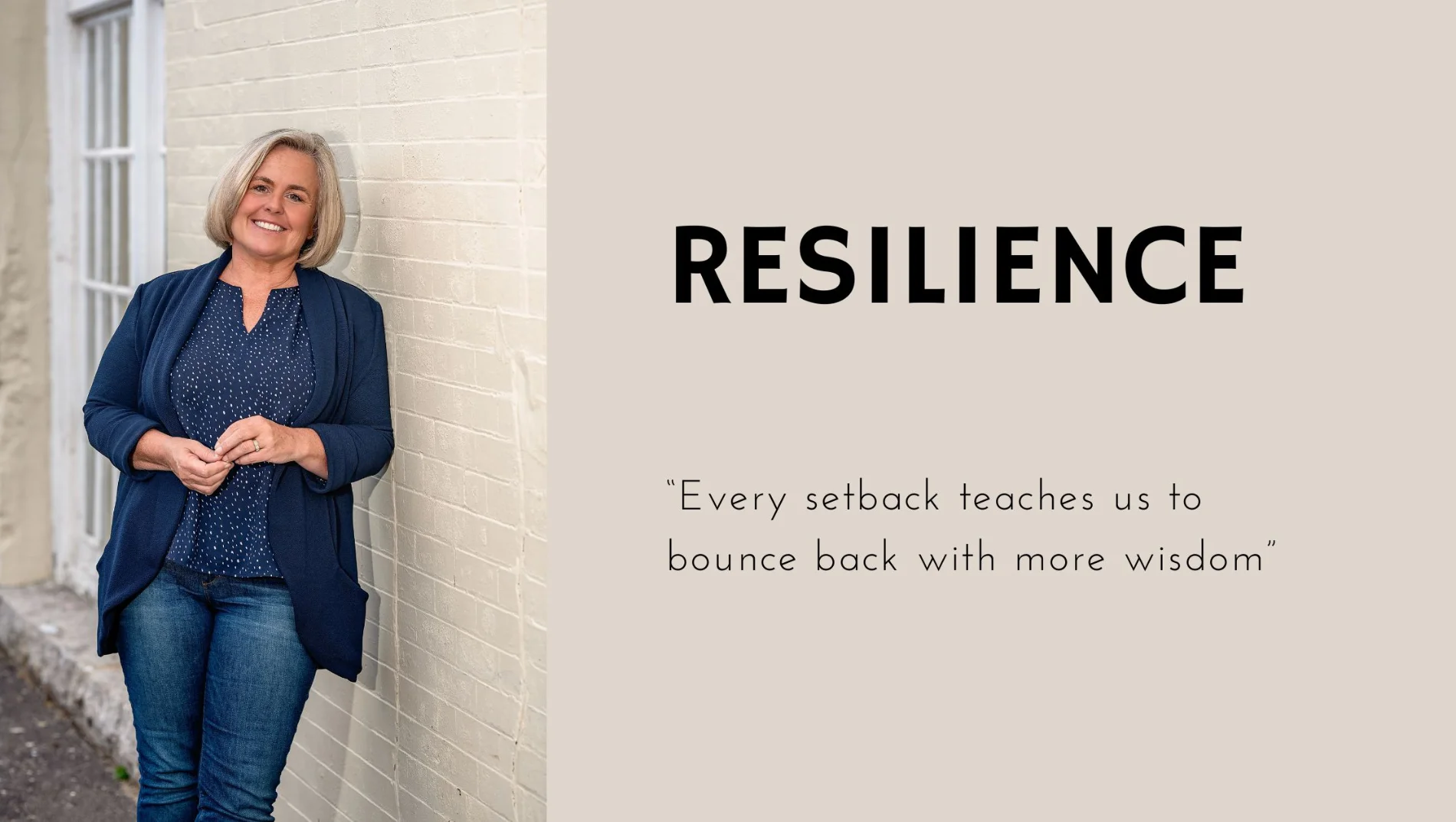
Recently, I found myself reflecting on the early days of building Smart Destinations in the 2000s. Like any startup, we lived in a world where the future was never guaranteed. The volatility, uncertainty, and constant pivots were amplified by the complexities of managing a remote team. Resilience, while essential for all leaders, took on a whole new meaning when your team was scattered across different locations.
One day, I was visiting one of our remote offices, driving between appointments with our local destination manager. Without warning, she veered the car off the road, slammed it to a stop, and turned to me, her face red with anger.
“I heard you’re closing this market. I’m going to lose my job after everything I’ve done! WHY haven’t you told me about this?” she screamed. Her long, painted fingernails jabbed toward my face like daggers, while her metal bracelets clinked in rhythm with her flailing arms.
For a brief moment, I was stunned—and, if I’m being honest, a little afraid. She was a force of nature, with a voice that pierced through the confined space of her car. We were in the middle of nowhere, in her car, and I had no way out. My stomach sank as the truth dawned: these conversations had been happening. Private discussions among the executive team about struggling markets and contingency plans. Nothing had been decided—but somehow, word had leaked.
“How does she know this? And what the heck is going on?” I thought, my mind racing.
I quickly composed myself. I managed to talk her off the ledge, assuring her that no decisions had been made, that we were fighting to avoid closures, and that panicking wouldn’t help anyone. She calmed down eventually, but the damage was done.
Her productivity had plummeted, trust had eroded, and fear had taken hold.
The conversation drained us both, and though I felt better after making the repair, I knew we had suffered a setback that would take months to overcome.
In the aftermath, I uncovered what happened. A senior team member, someone who frequently visited different markets, had shared the executive-level discussions. He assumed everyone understood the risks inherent to working at a startup. What he didn’t consider was the impact of those words: how quickly uncertainty could spiral into fear, panic, and lost trust.
Lessons in Resilience for Leaders of Remote Teams
This experience remains one of my most vivid (and humbling) leadership moments. It forced me to confront the complexities of leading a remote team through uncertainty and change. Here are the lessons I took away—ones that I believe every leader can use to foster resilience:
1. Balance Transparency with Stability
Transparency is essential, but too much unfiltered information can create chaos. Leaders must walk a fine line: providing enough context to keep the team informed and focused, without oversharing unfinished decisions or hypothetical scenarios.
Key Insight: Align your leadership team on what should be shared and how to frame it. Misinformation or misalignment can spread faster than wildfire—especially in remote settings.
2. Equip Your Team to Handle Uncertainty
Uncertainty is part of life, especially in startups. Build a culture where your team feels supported and resilient. Encourage them to focus on what they can control: their mindset, their effort, and their adaptability.
Key Insight: Leaders can set the tone. Instead of saying, “We don’t know what’s going to happen,” frame it as, “Here’s what we’re working toward, and here’s how we can adapt if challenges arise.” Empowerment builds confidence.
3. Communicate Clearly and Proactively
Ambiguity breeds fear. Remote teams rely heavily on clear, consistent communication. Make sure team members understand both the opportunities and challenges ahead—but always in a way that inspires action, not panic.
Key Insight: In remote teams, communication gaps can feel cavernous. Over-communicate clarity, direction, and purpose so no one feels left in the dark.
4. Rebuild Trust When It’s Broken
Trust is fragile. When it breaks, acknowledge it. Own the mistake, communicate openly, and take consistent action to rebuild confidence.
In my case, I worked to repair trust with the destination manager, but it took time and effort. I also had difficult conversations with the senior team member who unintentionally caused the issue. Those conversations were not easy, but they were necessary.
Key Insight: When trust breaks, don’t delay repair. The sooner you address it, the sooner you can rebuild.
5. Train for Resilience
Resilience isn’t just a buzzword—it’s a muscle that can be strengthened. Offer tools and training that help your team manage stress, uncertainty, and change. Stress management workshops, mentorship, and peer support groups can all make a difference.
Key Insight: Equip your team with tools to adapt and thrive, not just survive.
The Bigger Picture: Strength in Flexibility
That day, sitting in the car with a screaming team member, wasn’t my finest leadership hour. It led to tough conversations and even some falling out with colleagues. But the lessons were invaluable—lessons I’ve carried forward ever since.
Leadership isn’t about having all the answers or preventing every storm. It’s about guiding your team through the storm with clarity, courage, and compassion. For remote teams, where isolation, ambiguity, and miscommunication can derail even the strongest performers, resilience is everything.
Let’s embrace resilience as a core value. Let’s lead with transparency and stability. Let’s empower our teams to face challenges head-on, adapt, and thrive—no matter where in the world they may be.
Because when we cultivate strength in flexibility, there’s no storm we can’t weather—together.