
As I reflect on my journey as a young entrepreneur leading my first company, Smart Destinations, back in the early 2000s, one lesson stands out: the power of workplace friendships. Back then, I was a novice at the helm (understatement), entirely focused on building a successful startup. Surrounded by urgency, pressure, and a remote team, I didn’t yet understand how meaningful personal connections—especially workplace friendships—could influence everything from productivity to team morale.
We were a team short on resources, burning through capital, with the pressure of investor expectations weighing heavily on our shoulders. The atmosphere was charged with a sense of urgency; we were all engrossed in our tasks, driven to succeed.
In this whirlwind of activity and pressure, the notion of cultivating and promoting strong workplace friendships among our employees never crossed my mind. I viewed our mission through a narrow lens. We were there to work, to achieve our objectives, and to build the business. The idea of prioritizing social connections and friendships among team members seemed like an unrelated luxury – something reserved for after-work hours, not a priority within the confines of our office walls.
Certainly, I understood that company culture was better when team members could trust and enjoy each other, but many of our team members were working remotely (even back then) and I never considered it part of my role as a leader to actively facilitate or encourage the remote team to make work friends.
In my mind, the creation and nurturing of friendships were personal choices, separate from the professional environment we were all part of.
As I would learn, this mindset was an oversight on my part, a gap in my early leadership approach. The absence of a planned effort on my part to encourage strong work friendships wasn’t just an overlooked opportunity; it was an aspect of leadership I hadn’t fully appreciated. This was especially true for a startup like ours, navigating the turbulent waters of growth and change and, as I would later come to realize, even more crucial because of our remote work environment.
The truth is, the impact of workplace friendships is significant, and it’s something that companies and leaders cannot afford to overlook.
Gallup’s research shows that employees who have strong friendships at work aren’t just happier—they’re more effective. These individuals are more likely to engage meaningfully with customers and colleagues, achieve more in less time, contribute to a safer and more collaborative work environment, drive innovation, and genuinely enjoy their roles.
These aren’t just pleasant side effects; they’re directly linked to critical business metrics like increased profitability, enhanced productivity, and improved employee retention (Gallup). Complementing Gallup’s findings, Harvard Business Review reports that individuals with a ‘best friend at work’ are not only likelier to be happier and healthier but are also seven times more likely to be engaged in their job. (HBR)
I learned the true impact of this lesson at Smart Destinations as our business grew and scaled. With our fast pace and heavily remote workspace, we began to encounter challenges. Communication started to falter, and in times of stress, friction between groups intensified. Despite moving forward at a typical startup pace, our productivity wasn’t hitting the mark.
We had a tight budget as it was early days for the business but, we felt a need to “regroup” and decided to make a bold move and fly the entire team in for a company ‘retreat’. At the time, we were still a relatively small team, and the expense (even though under $20,000) was hard for us to justify. It felt like a massive risk, one that we weren’t sure we could afford.
The results of this first retreat were game-changing and taught us an invaluable lesson: the cost of not bringing the team together was far greater.
The transformation within the team was palpable. We saw instant results and an impact that altered our company’s culture and trajectory in ways that are hard to articulate. The benefits were far-reaching and so obvious that we made it a point to commit to holding this event annually. These retreats became a cornerstone of our annual plan, providing fun and engaging ways for the team to forge friendships, create lasting memories, and build strong connections.
While I am a strong advocate for annual retreats or gatherings, especially for businesses with remote teams, it’s important to recognize that these events are not the only way to facilitate friendship and connection.
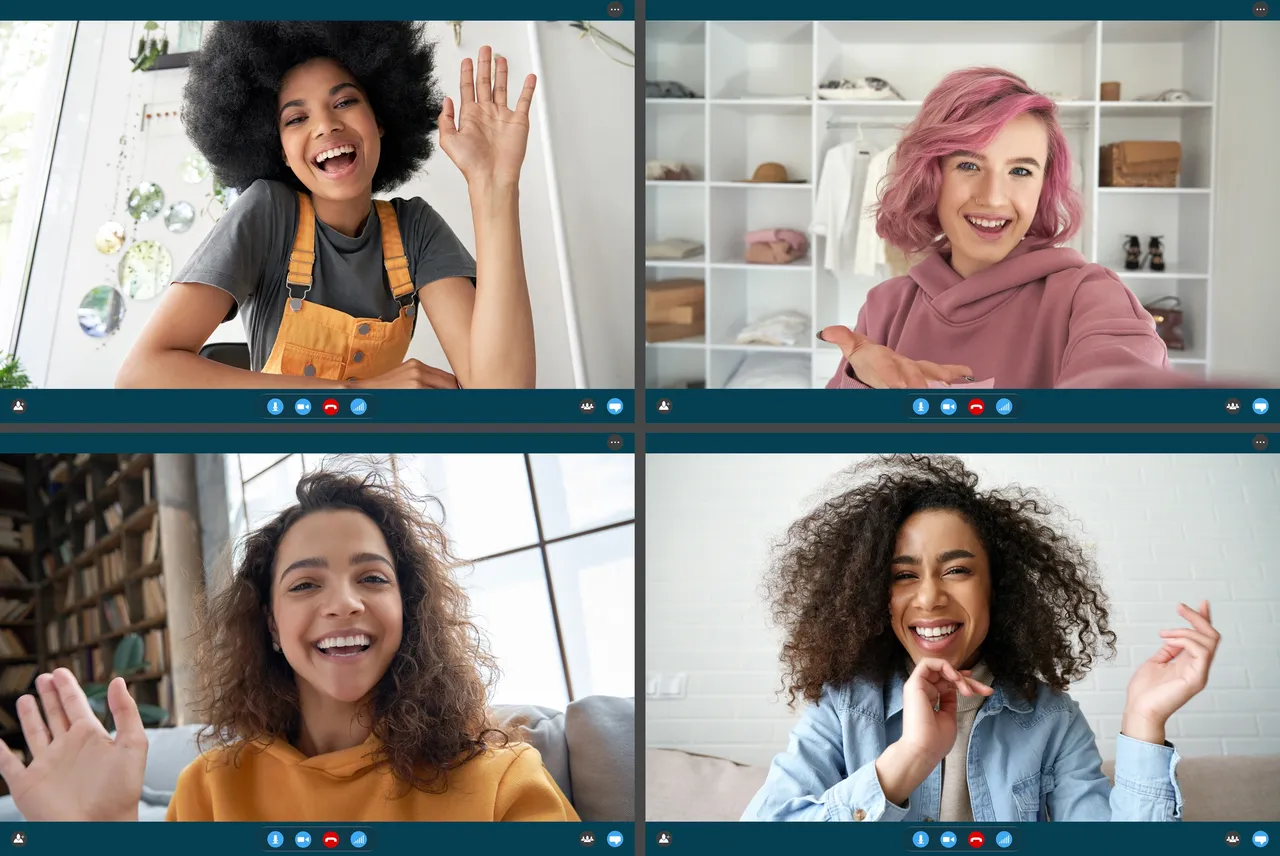
With the introduction of ZOOM (we didn’t have it at the time) and other communication and collaboration platforms for remote teams, making connections and building friendships is something we can and should facilitate on a regular basis.
One effective approach is to weave social time into scheduled team calls.
For instance, in all-company meetings, incorporating short breakout sessions where team members can engage in informal chats is a great way to develop personal connections. These brief, casual interactions allow team members to get to know each other beyond the scope of work, laying the groundwork for deeper relationships.
Another strategy is creating opportunities for active collaboration on projects.
When team members work together towards a common goal, it not only enhances teamwork but also allows them to appreciate each other’s strengths, work styles, and perspectives. This collaborative environment can be a great place for friendships to develop.
Here are a few other ways to make “friends at work” a daily part of your leadership efforts:
- Encourage Peer Recognition: Give team members a platform and opportunities to acknowledge and appreciate each other’s contributions. This not only boosts morale but also helps in building mutual respect and camaraderie.
- Virtual Coffee Breaks or Happy Hours: Schedule regular, informal virtual gatherings where the team can relax and chat about non-work-related topics. This can replicate the watercooler conversations that happen in physical offices.
- Interest-Based Groups: Create channels or groups for team members with shared interests, like books, movies, or fitness. These groups can serve as a platform for like-minded individuals to connect and engage.
More and more, I’m observing companies hiring remote engagement and work experience managers. These specialized roles are dedicated to planning and hosting fun events specifically tailored for remote teams. The goal of these initiatives is to cultivate a company culture where team members can forge personal connections, build trust, and develop friendships.
This investment, along with a consistent, deliberate effort by leadership to build and support personal connections, is proving to be invaluable.
These connections directly contribute to increased levels of engagement – a critical concern for remote teams, where high engagement is the fuel for the team’s success. As we navigate the complexities of the remote work landscape, this focus on fostering genuine workplace friendships and connections will remain a cornerstone of not just a thriving team, but also of a resilient, dynamic, and successful business.
Want help turning your remote team into a powerhouse of connection and collaboration? Let’s talk, or take a peek at The Remote Leadership Lab services page to get started.